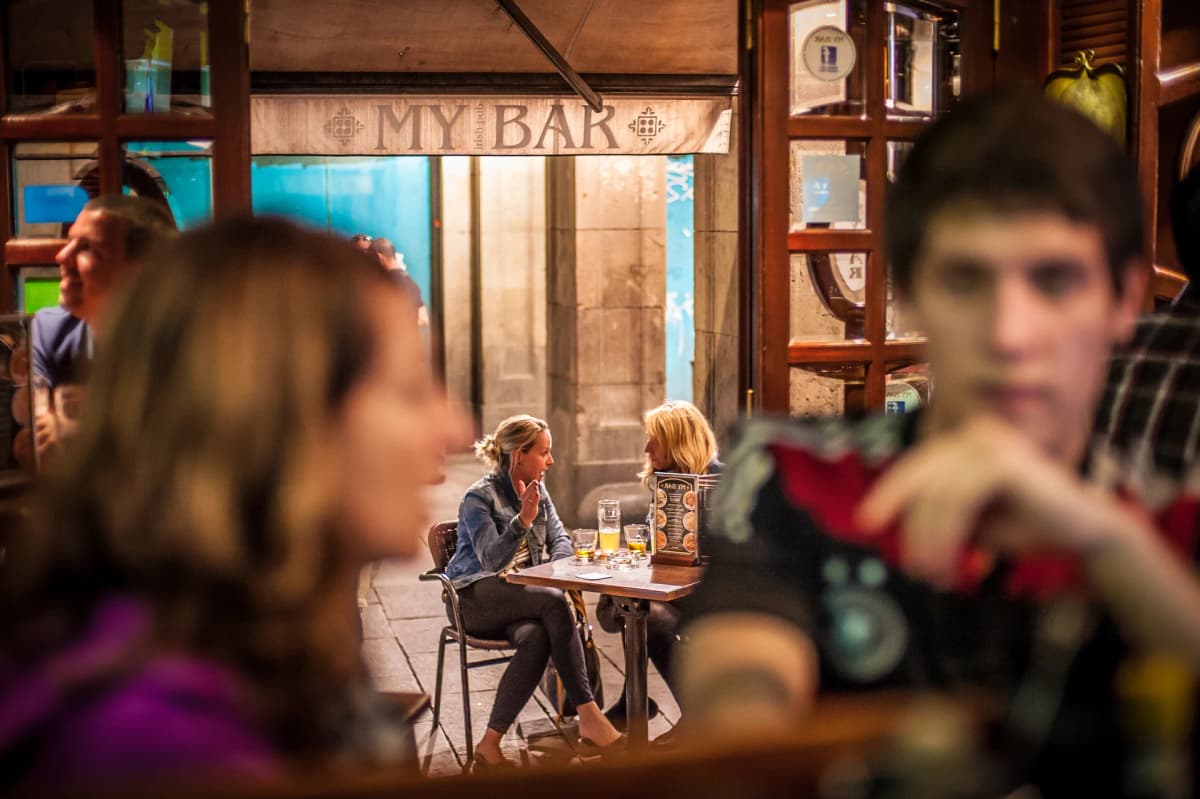
The Concept of 'Third Place' in Modern Metropolises
The American sociologist Ray Oldenburg defined in his work The Great Good Place the theory of "Third Place" (The Third Place). According to Oldenburg, balanced human life requires three differentiated environments.
-
The First Place: Home (private and family space).
-
The Second Place: The workplace (space of production and performance).
-
The Third Place: The neighborhood bar, pub, or café (neutral space for social leveling and disconnection).
In today's large, hyper-connected, and fast-paced metropolises, Third Places are vital. They are spaces where there are no work hierarchies, where spontaneous conversation is encouraged, and where individuals can shed the stress of their professional roles.
The Psychological Benefits of Unhurried Conversation
Neurosociology has shown that prolonging the stay at the table discussing, sharing anecdotes, or simply laughing with friends releases endorphins and drastically reduces the production of cortisol accumulated during the workday.
-
The Circular or Human-Scale Table: Smaller tables and physical proximity eliminate bodily barriers, facilitating that full attention focuses on the interlocutors.
-
The Value of Digestive Drinks: Accompanying the after-dinner conversation with coffee, a spirit, or a slow-paced cocktail marks a symbolic transition to personal leisure time.
Make MY BAR Your Own 'Third Place'
At MY BAR, we understand that haste and hospitality are incompatible terms. Located in the heart of Barcelona's historic center, Plaza Real, our pub is designed for you to feel at home from the very first minute. Whether it's to extend an afternoon chat with work colleagues or to solve the world's problems among friends at midnight, you will always find a table ready and a sincere welcome here.
Life is what happens during the after-dinner conversation.
Sources