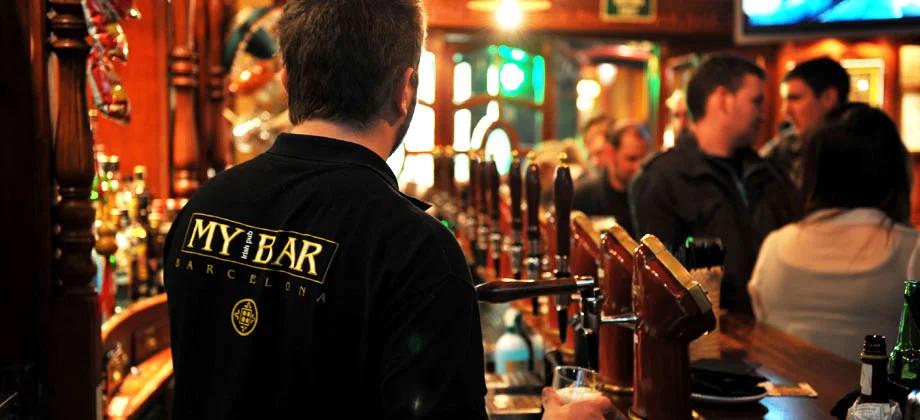
The sports bar culture has successfully blended a passion for the game with neighborhood camaraderie, creating a space where strangers wearing the same jersey celebrate a decisive play as if they had known each other their whole lives.
The Origin of the Phenomenon: From Radio to the First TV Broadcast
Although watching a match in high definition from any corner of the world feels normal today, the concept of gathering people to watch live sports was born in the early 20th century.
The first sports broadcast in history took place on the radio in 1921, covering a boxing match in the United States. However, the true leap occurred on September 16, 1937, when the BBC made the first-ever television broadcast of a football match: an exhibition game between Arsenal's first team and their reserves at Highbury Stadium. That pioneering event planted the seed for what would become a global mass phenomenon decades later.
The Magnetism of the Atmosphere: An Improvised Terrace in the City
Watching a sporting event surrounded by people offers an immersive experience that is hard to replicate. The ambient sound of conversations, the clinking of pint glasses during toasts, and the collective tension over a penalty or a VAR review generate a unique energy.
Social psychology studies applied to sports show that experiencing events collectively intensifies emotions: the joy of a goal multiplies when celebrated in a group, while the frustration of a defeat is softened when shared with fellow fans. That blend of cultures connected by a shared passion is the true essence of the format.
The Logistics of the 90 Minutes: Screens and Record Consumption
Behind a massive sports broadcast lie surprising logistical facts. For instance, during a UEFA Champions League final or a Six Nations rugby match, food and beverage consumption in hospitality venues surges by up to 40% compared to a regular weekend.
To meet this demand, screen technology has evolved dramatically. The use of multiple synchronized high-definition monitors ensures fans don't miss a single angle of decisive plays or VAR reviews, revolutionizing how the audience analyzes the game in real time.
The Food Offer to Endure the Game's Tension
An intense sports matchday requires a menu to match. Unlike formal sit-down meals, the food selection during a game focuses on comfort and options designed for sharing among friends.
Juicy burgers, spiced chicken wings, cheese-loaded nachos, and potato dishes are the undisputed stars of the table. Pairing these dishes with a cold draught beer or a refreshing drink helps fans get through the tension of stoppage time or a tight extra period.
Time at My Bar
Strategically located on the central Carrer de Ferran, My Bar brings all this history and sports passion right to the heart of the Gothic Quarter. The venue combines the warmth of a wooden pub with the technological infrastructure required to follow the 90 minutes of the game as if you were in the stadium itself.
Its giant high definition screens distributed across the space ensure visibility from every angle, while its bar serves freshly poured draught pints including the classic Guinness to keep the Irish "Craic" tradition alive during major international tournaments. Whether for a decisive LaLiga fixture, the Champions League, or Six Nations matchdays, the My Bar team adapts its food menu with burgers and sharing platters, offering the ultimate gathering point for sports fans from all over the world in central Barcelona.
Key Facts for Fans of Major Tournaments
For those who follow the international sports calendar throughout the year, specific historical facts and etiquette details make a difference in every competition:
In European football, the away goals rule in knockout ties was abolished by UEFA in 2021, leading to an increase in the number of matches going to extra time and penalty shootouts. In international rugby, the tradition of the "Third Time" dictates that, despite intense rivalry on the pitch, both teams and their fans share food and drinks together after the final whistle a prime example of sportsmanship that extends to pubs worldwide.
Sources & References
- BBC History - First TV Football Broadcast
- UEFA Official Website
- Six Nations Rugby Official
- BBC Sport
- LaLiga Official